

The Real Reasons Your Plants Need Pruning
Your trees and shrubs communicate with you through their growth patterns. Learning to read these signals makes you a more effective plant caretaker and helps you catch problems early when they’re still manageable. The key is addressing issues while they’re small and simple to fix, rather than waiting until they require major intervention or expensive replacements. Pruning solves these common problems before they become expensive disasters:
Health Issues Pruning Prevents:
- Dead branches that signal disease problems and spread infections
- Crossing limbs that create wounds, inviting pests, and storm damage
- Overgrown shrubs that block sunlight from reaching the lower branches
- Dense growth that restricts air flow and promotes fungal problems
Property Protection Benefits:
- Removes hanging branches over walkways that create safety hazards
- Eliminates low branches blocking driveways and pathways
- Prevents storm damage from weak or poorly attached limbs
- Maintains clear sight lines and property access
Think of pruning as preventive medicine for your landscape. A little effort now saves major headaches later. Plus, your plants respond with healthier growth and more abundant flowers. Regular pruning sessions become easier over time because you’re maintaining good structure rather than correcting years of neglect. The satisfaction of watching your plants thrive under proper care makes every minute spent with those pruning shears worthwhile.
How Much Can You Trim a Tree Without Killing It?
This question keeps many homeowners awake at night. They want to control size but fear harming their trees. The answer comes down to understanding tree biology and working with each tree’s natural form. Trees need their leaves to survive through photosynthesis. Remove too many leaves, and the tree starves. The magic number is 25% – never remove more than one-quarter of a tree’s foliage in a single year.
For routine maintenance, aim for even less. Removing 10-15% of the canopy during annual pruning keeps trees healthy while achieving your goals. Young trees can tolerate slightly more aggressive pruning, but still respect the 25% limit. Focus on training their structure rather than size control. If your tree needs major reduction, spread the work over several years. Remove 25% the first year, then wait for recovery before continuing.
Successful tree shaping requires working with nature rather than against it. Each species has its own unique natural form – Japanese maples develop layered, horizontal branches, while Bradford pears grow upright and have a vase-like shape. Fighting these tendencies creates maintenance headaches and artificial-looking results.
Step-by-Step Tree Shaping Process:
- Remove safety and health issues first: Cut out any dead, diseased, or damaged wood. These branches serve no purpose and may harm the tree if left in place.
- Eliminate structural problems: Remove branches that cross or rub against others. Remove multiple leaders that create weak forks. Choose the strongest, best-positioned branch as your main leader.
- Select permanent scaffold branches: These major limbs form your tree’s framework. Choose branches that spiral around the trunk at different heights. Avoid branches growing directly above each other.
- Make proper cuts: Cut just outside the branch collar, that slightly raised area where the branch meets the trunk. Don’t leave stubs, but don’t cut flush with the trunk either.
- Step back frequently: Pruning mistakes are hard to undo, so take your time. What looks right up close might appear unbalanced from a distance.
Watch for signs of stress after pruning. Excessive water sprout growth signals that you removed too much. Yellowing leaves or branch dieback also indicate problems. Healthy trees show vigorous new growth within a few weeks of proper pruning. Remember that less is more with tree pruning – subtle changes over time create better results than dramatic alterations in one session.
Professional Tools That Make Pruning Easier
The right tools transform pruning from a chore into a satisfying activity. Professional-quality tools cut cleanly, reduce fatigue, and produce better results. You don’t need to spend a fortune, but cheap tools can be frustrating. Investing in the right equipment once saves you money and headaches for years to come. When your tools work properly, you can focus on making smart pruning decisions rather than struggling with equipment that fights you.
Essential Pruning Tools:
- Hand pruners: Your most important tool for branches up to 3/4 inch thick. Choose bypass pruners with curved blades that cut like scissors. Avoid anvil-style pruners that crush stems. Look for comfortable grips and smooth action.
- Loppers: Extend your reach and cutting power for branches up to 1.5 inches thick. Telescoping models adjust to different lengths. Sharp blades and leverage make cutting effortless. Quality loppers last for decades with proper care.
- Pruning saws: Tackle larger branches that defeat loppers. Folding saws are convenient and safe to carry. The aggressive teeth cut quickly through green wood. Curved blades follow the natural cutting motion.
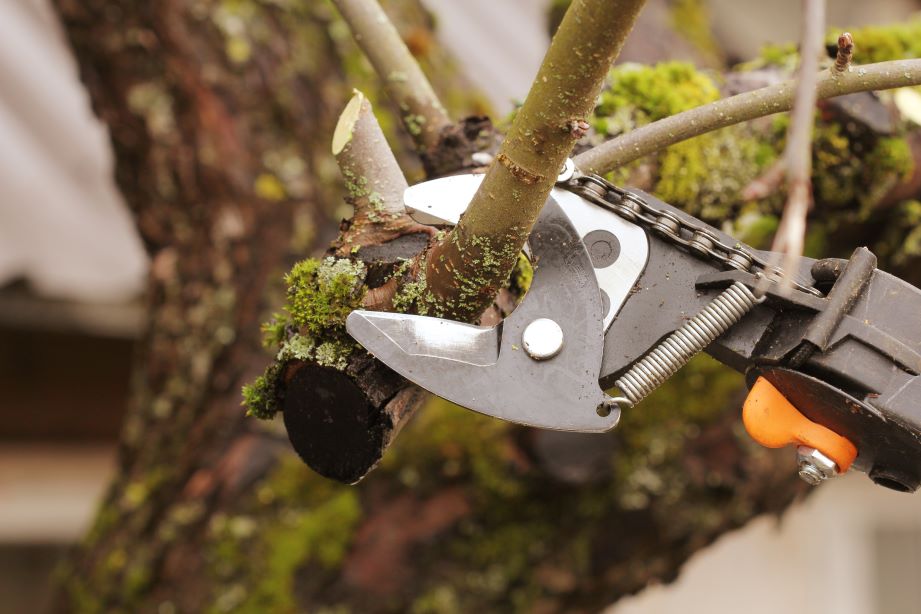
- Pole pruners: Keep you safely on the ground while reaching high branches. They combine a pruning saw or cutting head with an extension pole. Quality models extend 8-12 feet and cut branches up to 1.25 inches thick.
- Hedge shears: Work for formal hedges and mass plantings. Choose models with sharp, straight blades. Comfortable grips reduce hand fatigue during extended use.
Understanding Seasonal Pruning Schedules
Different seasons offer different pruning opportunities. Understanding these patterns helps you plan work efficiently and avoid plant damage. Weather conditions, plant dormancy cycles, and growth patterns all influence the success of your pruning efforts throughout the year. Creating a seasonal pruning calendar prevents you from missing optimal timing windows and helps you tackle the right projects at the right moments.
Seasonal Pruning Schedule:
- Winter (December-February): The dormant season is ideal for major pruning projects. Trees and shrubs are leafless, making the structure easy to see. Plants aren’t actively growing, so pruning won’t stimulate tender new growth vulnerable to frost damage. Avoid extremely cold days when wood becomes brittle.
- Early Spring (March-April): Continue dormant season pruning before buds break. This timing works well for summer-flowering shrubs and most trees. Avoid pruning maples, birches, and elms during this period because they bleed sap heavily.
- Late Spring (May-June): Perfect for spring-flowering shrubs after blooms fade. Also good for evergreen shrubs once new growth hardens. Light pruning of trees can continue, but avoid heavy work as energy goes into new growth.
- Summer (July-August): Focus on light maintenance only. Remove dead wood, water sprouts, and suckers anytime. Avoid heavy pruning that stimulates new growth vulnerable to winter damage. This is observation season – note problems to address during the dormant season.
- Fall (September-November): Generally, avoid pruning except for safety issues. Fresh cuts don’t seal properly before winter. New growth won’t have time to harden before frost. Use this time to plan next year’s pruning projects.
Avoiding Costly Pruning Mistakes
Even experienced homeowners make pruning mistakes that damage plants. Learning from others’ errors saves you time, money, and heartache. The most dangerous mistakes often happen when people rush through projects or apply techniques they’ve seen others use without understanding the principles behind them. Recognizing these common errors before you make them keeps your plants healthy and your landscape investment protected. Here are the most common pruning mistakes to avoid:
- Tree topping: Cutting the main trunk creates multiple weak leaders that grow rapidly. These branches attach poorly and often break during storms. Topped trees also lose their natural shape permanently.
- Leaving stubs: Stubs can’t heal properly because they lack the specialized cells found in branch collars. Always cut back to the collar for proper healing and to prevent decay entry points.
- Flush cutting: Removing the branch collar along with the branch eliminates the tree’s natural healing mechanism. The resulting wound often develops decay that spreads into the trunk.
- Lion tailing: Removing all interior branches, leaving only foliage at branch ends, weakens branches and makes them prone to breaking. Trees need interior branches for strength and structure.
- Using pruning paint: Research shows pruning paint actually slows healing. Trees seal wounds naturally when cuts are made properly. Paint can trap moisture and bacteria, causing more problems than it prevents.
- Wrong timing: Removes flower buds or stimulates inappropriate growth. Research your specific plants’ needs before pruning. When in doubt, prune during the dormant season.
The best way to avoid these costly mistakes is to work with certified professionals who understand proper techniques and timing. Experienced arborists have seen these errors countless times and know how to prevent them from happening to your valuable plants. When you’re unsure about a pruning project or dealing with expensive specimen trees, professional consultation can save you thousands in replacement costs and years of regrowth time.
Why Professional Pruning Services Pay Off
While homeowners can handle basic pruning tasks, professional services offer clear advantages for larger projects. The complexity increases dramatically when dealing with mature trees, valuable specimens, or safety hazards that require specialized equipment and techniques. Investing in professional help often costs less than replacing damaged plants or repairing property damage from pruning mistakes. Here are the key benefits of professional pruning services:
- Expert knowledge – Certified arborists understand tree biology and species-specific requirements. They recognize early signs of disease and pest problems. Their training helps them make decisions that promote long-term plant health rather than just immediate appearance.
- Safety first – Professional crews have specialized equipment and training for working at height. They carry insurance that protects homeowners from liability. The risk of serious injury makes professional help worthwhile for major tree work.
- Time and efficiency – Professionals complete in hours what might take homeowners entire weekends. Their experience shows in both speed and quality of work. They also handle cleanup, leaving your property neat and tidy.
- Long-term value – Professional pruning often pays for itself through improved plant health and property values. Well-maintained landscapes significantly increase curb appeal and home values. The investment protects your landscape investment.
The decision between DIY and professional pruning often comes down to weighing the risks against your comfort level and available time. For simple tasks like removing dead branches or light shaping, confident homeowners can achieve good results. However, when dealing with large trees, valuable plants, or complex pruning needs, professional expertise becomes invaluable. The peace of mind alone is often worth the investment.
Your Action Plan for Healthier Plants
Ready to transform your landscape but not sure where to start? Creating a successful pruning program doesn’t have to be overwhelming. Breaking the process into manageable steps makes even the most ambitious projects feel achievable. This systematic approach works whether you’re a complete beginner or someone who’s made pruning mistakes in the past. Here’s how to approach your pruning projects systematically for the best results:
- Evaluate your landscape: Walk around your property and identify problems: dead wood, crossing branches, overgrown shrubs, and safety hazards. Make notes or take photos to help remember priority areas.
- Gather the right tools: Sharp, quality tools make work easier and produce better results. Start with basic hand pruners and add other tools as needed for your specific projects.
- Plan your timing: Match pruning schedules to each plant’s specific needs. Create a calendar that spreads work throughout the year rather than trying to do everything at once.
- Start with easy projects: Begin with obvious problems like dead wood and safety hazards. These can be addressed anytime without harming plants. Build your confidence with simple tasks before tackling complex shaping work.
- Know when to call professionals: Large trees, extensive renovation work, and unfamiliar plants benefit from expert attention. The investment protects your valuable landscape assets and ensures safety.
Following this plan keeps you organized while preventing costly mistakes. Remember, successful pruning is a marathon, not a sprint. Take your time, learn as you go, and celebrate small victories along the way. Each cut you make teaches you something new about your plants and builds your confidence for future projects. Before you know it, you’ll be the neighbor with the amazing landscape that others admire.
Transform Your Landscape Today
Proper pruning turns ordinary landscapes into neighborhood showcases. The techniques aren’t difficult once you understand the principles. Start small, be patient, and watch your plants respond with healthier, more beautiful growth.
At GreenGuard Lawn and Pest Control, we help homeowners across the region achieve their landscape goals through expert pruning services. Our certified team understands local plant species and optimal timing for our climate.
Ready to transform your landscape? Contact GreenGuard Lawn and Pest Control at (610) 727-0552 or email [email protected]. Let our experienced team help you create the beautiful, healthy landscape you deserve. Your plants will thank you with years of spectacular growth and blooms.